
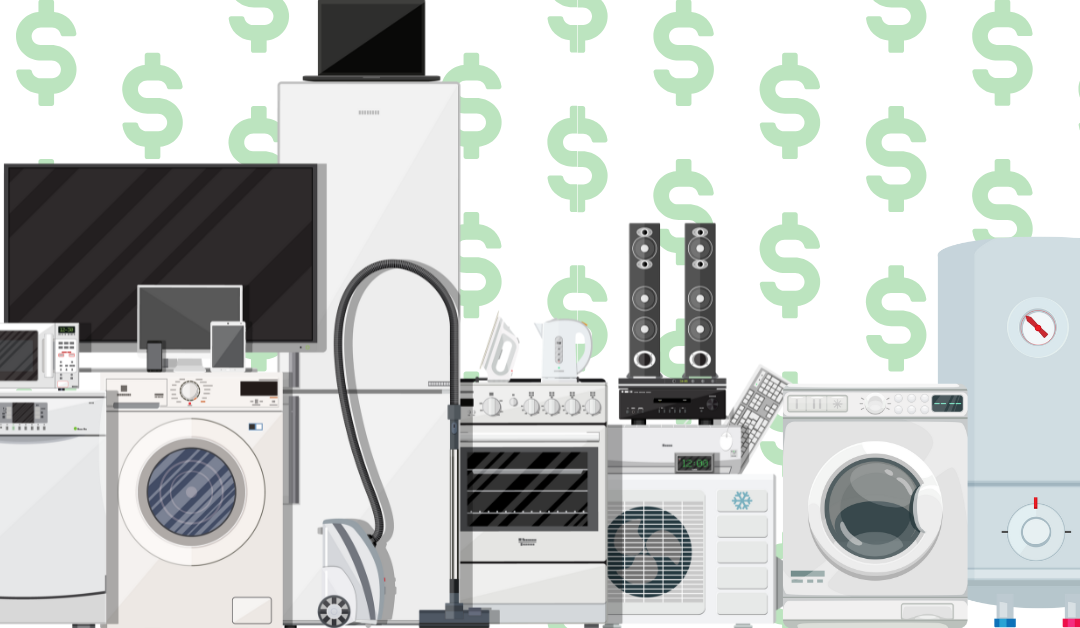
When it comes to your monthly electric bill, not all appliances are created equal. Some use only a little energy, while others are major power hogs. At Joel Foy Electrical Service, we want to help homeowners better understand where their energy is going—and how you might be able to save.
Here’s a list of the household appliances that typically draw the most power:
1. Heating and Cooling Systems
Your HVAC system is often the single biggest contributor to your energy bill. Air conditioners, furnaces, and heat pumps work hard to keep your home comfortable year-round. Regular maintenance, smart thermostats, and good insulation can help keep energy costs down.
2. Water Heater
Heating water for showers, laundry, and dishwashing consumes a surprising amount of electricity. Traditional tank water heaters run constantly to keep water hot, while tankless models heat on demand and can save energy over time.
Pro tip: If you’re interested in an electric tankless water heater, you should have your home’s electrical system evaluated first before you buy. This evaluation will determine if the current system in place can handle the load.
3. Refrigerator and Freezer
Because they’re always running, refrigerators and freezers account for a large portion of home energy use. Older models are especially inefficient compared to today’s Energy Star–rated appliances.
4. Washer and Dryer
Clothes dryers in particular are big energy consumers, using heat and airflow to dry clothing quickly. Washing machines also use energy—especially if you wash with hot water. Washing in cold water and air-drying when possible can lower your energy usage.
5. Oven and Stove
Electric ovens and stovetops use a lot of power when cooking. While you can’t avoid cooking altogether, using smaller appliances like a microwave, toaster oven, or air fryer for certain meals can help reduce energy use.
6. Dishwasher
Dishwashers require electricity to run cycles and heat water for cleaning. Using the energy-saving cycle or letting dishes air-dry instead of using the heated dry option can help cut back on power consumption.
7. Lighting
While individual light bulbs don’t use a ton of energy, the cost adds up—especially if your home still has older incandescent bulbs. Switching to LEDs can drastically reduce your lighting costs.
Tips to Keep Energy Costs Under Control
- Schedule regular maintenance for your HVAC system and water heater.
- Unplug small appliances and electronics when not in use.
- Upgrade to energy-efficient models when replacing older appliances.
- Consider adding smart home technology to monitor and reduce energy usage.
At Joel Foy Electrical Service, we’re here to help with everything from appliance wiring to whole-home energy efficiency upgrades. If you’d like advice on lowering your electric bill—or need a trusted electrician for installation or repairs—give us a call today.